To license a photo to a magazine, you keep the copyright and grant the publication permission to reproduce one specific image, for a defined scope, term and territory, in exchange for a fee. The deal is made in writing, not by email, and the file goes out only after both sides have signed.
Most photographers who struggle with this are not bad at negotiation. They are selling too much by accident. A magazine asks to “run it in the issue and post it online,” and the photographer says yes, because saying yes feels like validation. Three months later the same image is on the cover of a special edition, on the magazine’s social accounts, and in the digital archive with no credit line.
The fix is unglamorous: decide the usage before you discuss money, write it down, and get a signature. The whole process takes a few weeks from first email to paid invoice, and the hard part is doing it once so you never have to negotiate from scratch again.
Table of Contents
- What You Need
- How to License a Photo to a Magazine: Step-by-Step
- Understand What Rights the Magazine Needs
- Prepare Your Image and Rights Information
- Research the Magazine and Its Editorial Standards
- Contact the Magazine With a Specific Proposal
- Agree on Scope, Duration, Territory, and Price
- Use a Written Photo License or Agreement
- Deliver the Licensed File and Track Publication
- Common Mistakes
- Frequently Asked Questions
- How can I submit my photos to magazines?
- How much should I charge for a magazine photo?
- Do I keep copyright when a magazine publishes my photo?
- Should I give a magazine exclusive rights?
- Can a magazine reprint my photo later without permission?
- Is a photo credit enough, or do I need a written license agreement?
- Conclusion
What You Need
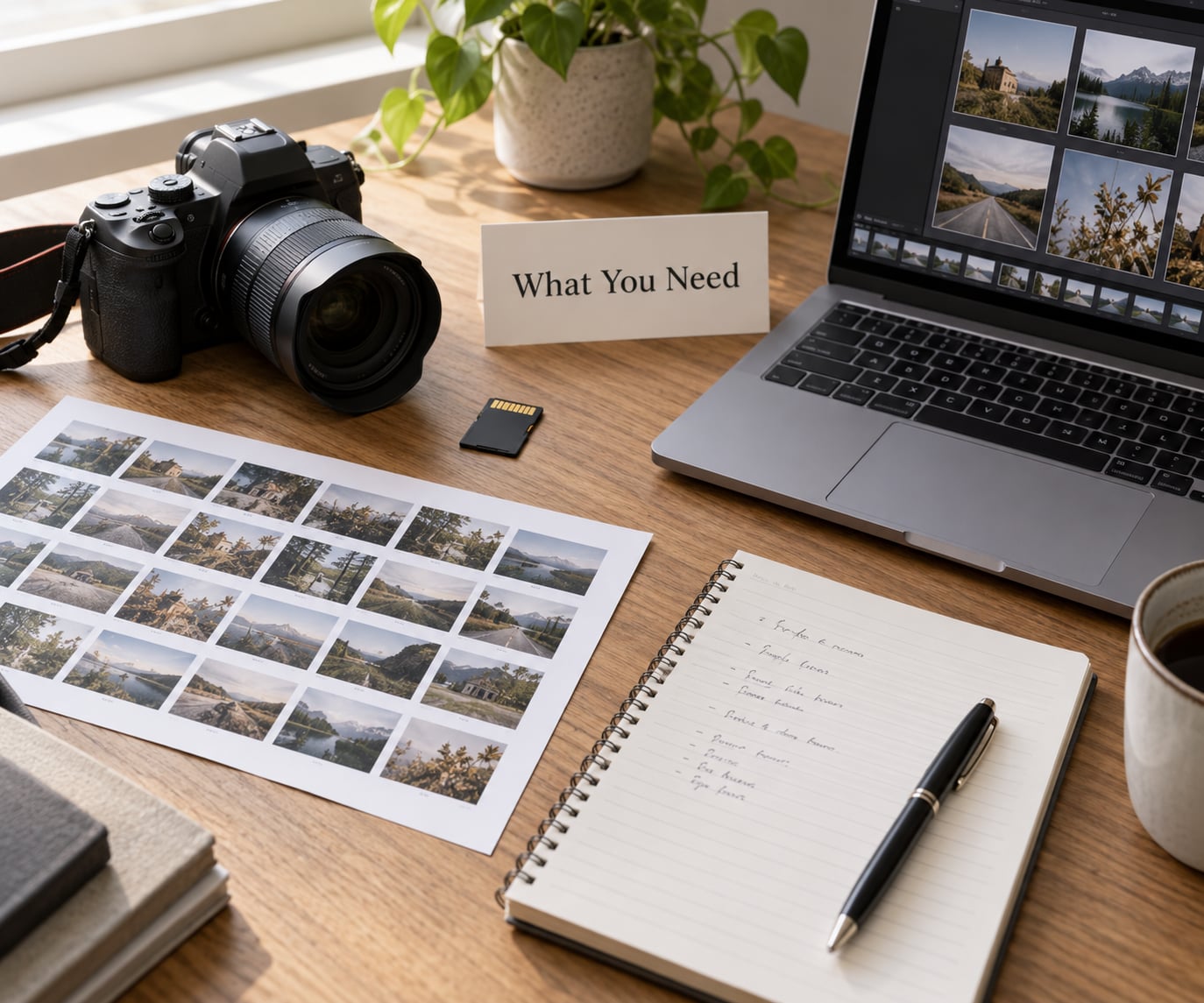
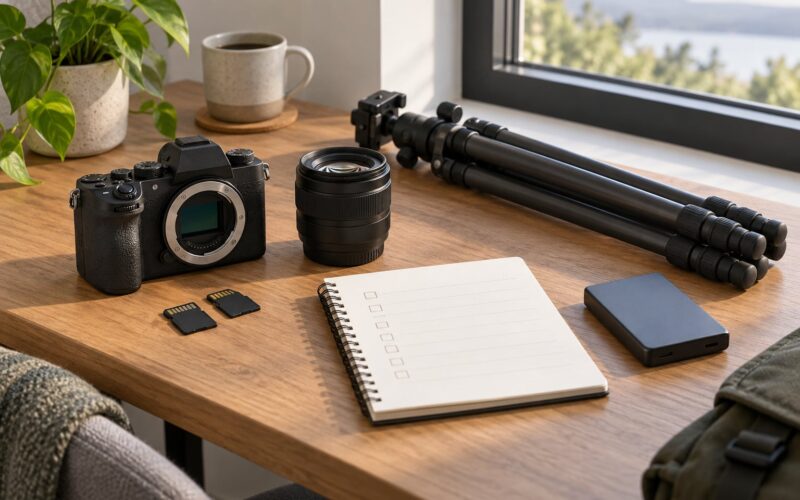
Before you contact anyone, assemble the materials a magazine will ask for. Most editors will not open an email without them, and a slow reply to a picture editor’s inbox often disappears.
- Rights information for the image. Your name and contact details, working title, the date and place you made it, what is happening in the frame, and who appears in it. Include the camera and lens if you have it, because publications that buy reproductions like to know the file is a single exposure.
- Contact details that work. A real email, a phone number, and a portfolio link that loads fast. Stocky agency sites that take ten seconds to open lose you the commission.
- Portfolio material. Ten to fifteen strong images in one sequence, not thirty unrelated ones, plus a short paragraph on the story you are pitching. Editors decide in seconds whether you shoot the kind of thing they publish.
- A pricing basis. Not a number on a page, but the factors you use: placement size, circulation, print run, territory, term, exclusivity, and how much creative work the image cost you.
- Print-resolution files. A full-resolution TIFF or layered PSD sized for the placement, exported for the publication’s colour profile. Send a watermarked proof for viewing and keep the clean file back until a deal is signed.
- Releases. A signed model release for recognizable private individuals, a property release for private interiors, and a note on newsworthiness when the subject is news or documentary.
- A one-page license agreement of your own. Even a plain document with numbered clauses saves a week of back and forth, because you set the structure instead of accepting theirs.
How to License a Photo to a Magazine: Step-by-Step
Eight steps, in the order that protects your rights and your money.
Understand What Rights the Magazine Needs
You cannot price or sign anything until the intended use is written down in plain words. “Editorial use” on its own is too vague, because magazines mean different things by it.
The terms you will meet:
- Editorial use. The image accompanies a news, feature or cultural story. It is not selling a product and cannot carry a commercial message. This is the default for most magazine placements.
- One-time print use. One issue, one language, one territory, a defined print run. The most common and the cheapest scope.
- Digital edition use. The tablet and website version of the same issue. Sometimes included, sometimes a separate line, always worth naming.
- Promotional use. The image in the magazine’s social posts, newsletter, homepage banner, event promotion, awards submissions or press kit. This is where unpaid reach usually slips in.
- Exclusive rights. Nobody else may publish the same image for a stated period, usually tied to a breaking story. It costs real money and it blocks your other options.
- Perpetual use. “In perpetuity” or “in perpetuo” means the magazine keeps using the image with no end date. Treat it as a permanent asset and charge accordingly, or decline.
- Copyright assignment. Ownership transfers to the magazine. This is a sale, not a license, and it is a different transaction with a different price.
Here is how each one moves your quote. A one-time print placement in a single territory is the baseline. Adding the digital edition of the same issue is a modest increase. Adding promotional and social use is a larger increase, because it puts the image in front of an audience you cannot measure. Exclusivity multiplies the fee because you are renting out the right to say no. Perpetual or worldwide use multiplies it again, and assignment is a separate negotiation entirely.
The rule I hold to: nothing gets quoted until the magazine tells you the publication, the placement, the issue or edition, the territory, the term, and whether anyone else is being excluded.
Prepare Your Image and Rights Information
Package the image so an editor can say yes without asking you three questions. A short text block with the frame described, the location and date, the context of the story, and any releases already signed does most of that work.
State plainly whether the image is available, and for how long. If the picture is the only frame you have of a scene that will not repeat, say so, because that fact is legitimate pricing leverage. If you have shot the same subject for a paying client, say that too, and get the client’s permission before pitching.
Research the Magazine and Its Editorial Standards
Ten minutes of reading saves a rejected pitch. Look for a photography or submissions page, then check what the title actually publishes, who its readers are, and how often it appears.
Note the circulation or print run if it is published, whether the magazine is national, regional, online-only or a small independent title, and how it presents photography. Some publications are licensing-only, meaning they buy from agencies such as Getty Images, Shutterstock or AP and do not accept direct submissions. Others list a specific commissioning editor, and that name is the whole pitch.
Check for a contributor page, a stated turnaround, file format and resolution requirements, and whether submissions are paid or unpaid. If the magazine publishes contributor guidelines, treat them as the baseline you are being measured against.
Contact the Magazine With a Specific Proposal
Write to the photo editor, commissioning editor or art director, whichever role that title uses. Keep it short and specific.
Your pitch needs four things: the story the photograph serves, the intended editorial use, when the image is available, and a link to a watermarked preview. Add a line asking for the commissioning or picture editor by name if the publication does not list one.
What you do not do is attach ten megabytes of TIFFs to a first email, or write “available for licensing” with no story attached. Editors do not license photographs, they place them in articles.
Agree on Scope, Duration, Territory, and Price
Before you name a fee, fix these eight items in writing. This is the scope checklist I use:
- The exact image, identified by filename and caption.
- The publication, and the issue or edition named if it is known.
- The placement: cover, opener, single page, or spread.
- The term: one issue, a number of months, or a period you can count.
- The territory: one country, a region, or worldwide.
- The print run or circulation the print use is calculated against.
- Whether the digital edition and social promotion are included.
- Whether the use is exclusive, and for how long.
Then build the fee from those factors rather than from a number you remembered. A larger placement in a larger-circulation publication is worth more than a thumbnail in a small title. Worldwide territory is worth more than one country. A year of promotional use on a large social account is worth more than a mention. If the magazine asks for exclusivity on a story that is developing, price the blocking cost, not the picture.
Some photographers also charge for the assignment itself, meaning the days spent covering the story, on top of the usage fee, plus expenses. That is a separate line and it should be a separate line in the agreement.
Then agree how you get paid. A deposit before the shoot, a deposit before delivery, or net-30 from publication all work. Ask which one. If the issue is cancelled after you deliver, a kill fee is the fair answer, and a percentage of the fee is the usual way to express it.
Use a Written Photo License or Agreement
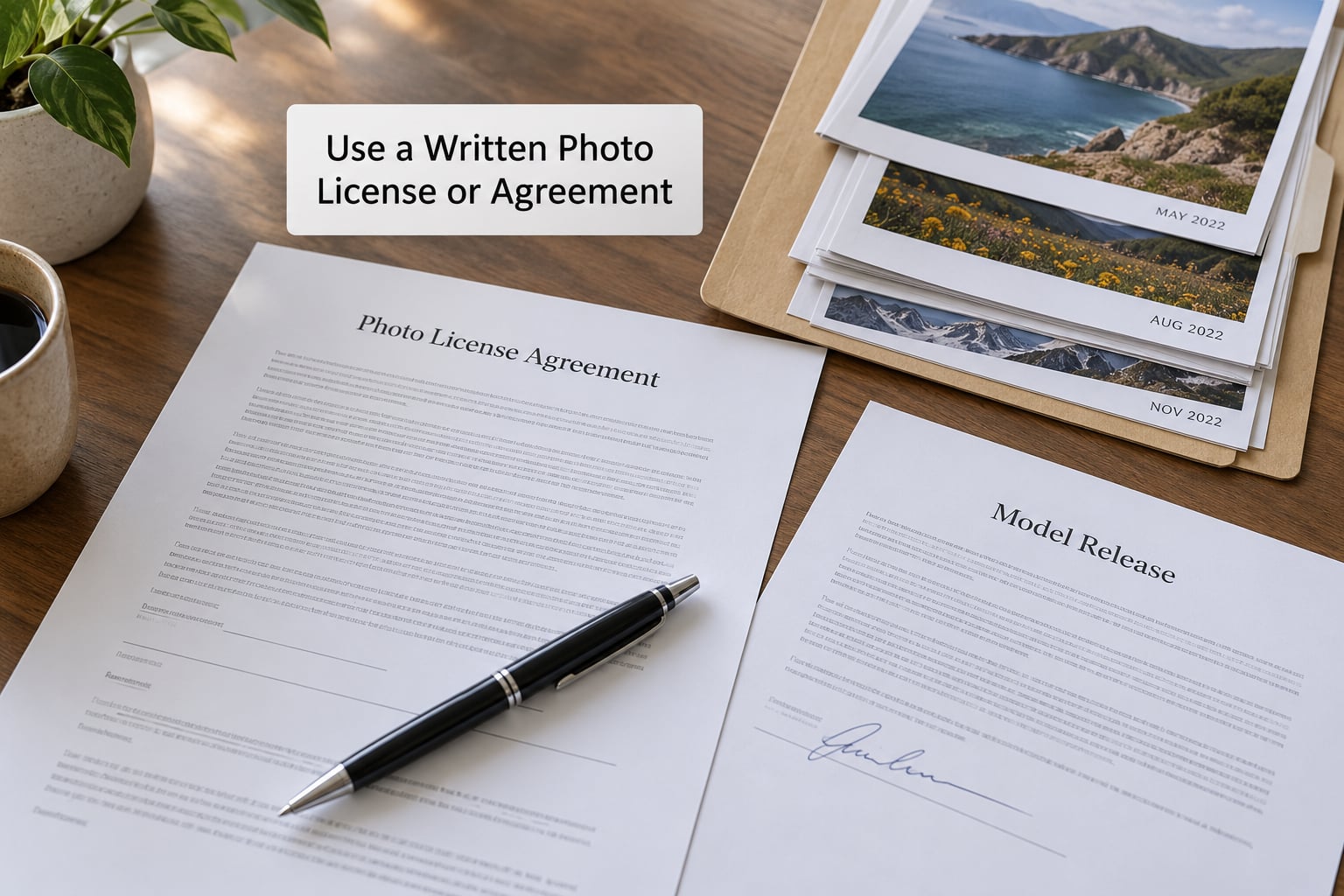
An email exchange is not a license. Anyone who reuses your image based on a friendly email is relying on goodwill, and goodwill ends when a designer leaves.
My one-page agreement carries twelve clauses, and you can adapt it directly:
- Parties and date. Full legal names and contact details of photographer and publisher.
- Image identification. Filename, caption, and a thumbnail of the specific frame.
- Copyright ownership. A clear statement that copyright remains with the photographer.
- Permitted use. The publication, the placement, and the issue or edition.
- Term. The start date and end date of the license.
- Territory. The countries or regions covered.
- Digital and promotional use. Whether the digital edition, social posts, newsletters and homepage are included, and for how long.
- Exclusivity. Whether the license is exclusive, and the period it runs.
- Fee and payment terms. The amount, the schedule, the currency, and the payment window. State clearly that no usage occurs before payment.
- Credit line. The exact wording, for example “Photo: Your Name”, and the photographer’s right to correct a wrong or missing credit.
- Cancellation. A kill fee if the issue is cancelled or the image is cut after delivery.
- Release and warranty clause. What releases exist, and what each side is responsible for.
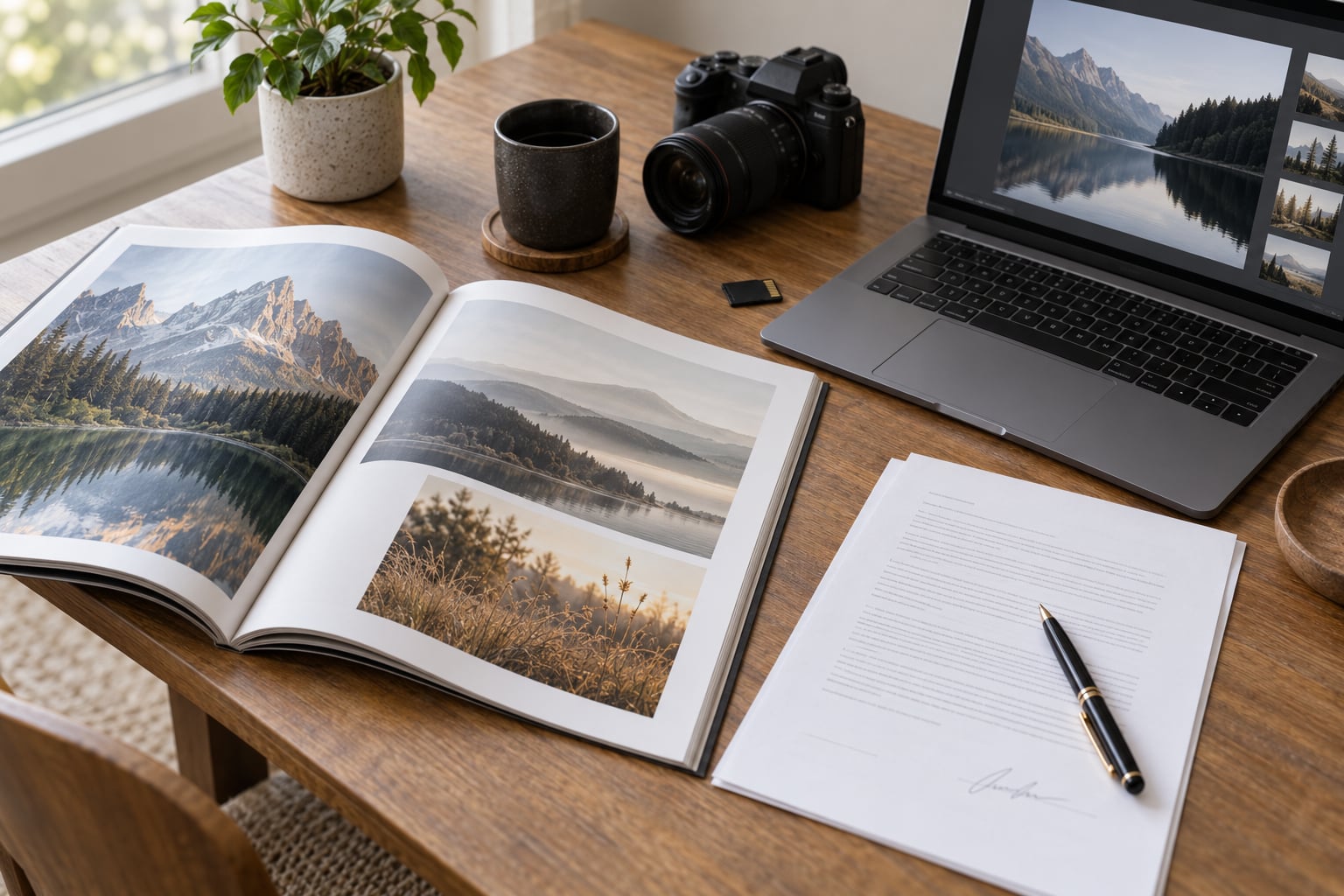
Add a signature block for both parties, and keep a signed copy. If the magazine sends its own contract instead, read clauses 3, 4, 5, 7 and 9 against this list first, because those are the ones that decide whether you keep your picture.
Two clauses are worth adding even if nobody asks. One restricts the image from being used to train generative or machine learning models without separate written permission. The other defines the archive: whether the issue stays in the publisher’s back-issue store, and whether that counts as covered by your term or needs a reprint fee. Copyright law and the treatment of AI training both vary by country, so treat this as a practical template and have a local intellectual property attorney review anything large or long-term.
Deliver the Licensed File and Track Publication
Deliver the approved full-resolution file only after the agreement is signed and the deposit has cleared. Send it through the publication’s stated delivery method, exported in the profile they specified, and name the file with the issue and placement so nobody guesses.
Then close the loop. Confirm receipt in writing, invoice with the agreement number on it, and when the issue appears, check the credit line exactly as printed. If your name is missing or wrong, ask for a correction in writing and keep the reply. When the issue comes out, save a tear sheet or a screenshot of the spread and a link to the live page, with the date. That archive is what you invoice from, and what you show a second publication when they ask whether the work has run before.
Common Mistakes
Six failures account for most lost money, and each has a simple fix.
- Vague usage language. “Use anywhere” or “for promotion” is an open-ended license. Fix: itemize the placement, the term, the territory and the promotional channels.
- Treating an email as a contract. Fix: a short signed agreement, even if the magazine never asks for one.
- Giving unlimited rights for a single fee. Perpetual, worldwide, all-media usage is an asset sale at a rental price. Fix: name a term and a territory, and charge more when they ask for more.
- Skipping releases. Recognizable private individuals and private property can block publication, and the photographer is often the one asked to sort it out. Fix: get signed releases at the time, and never rely on the subject’s apparent consent.
- Handing over the clean file too early. Fix: watermarked proofs for viewing, high-resolution files only against a signed agreement.
- Waiving the fee for exposure. Independent titles often have no budget, and trading a fee for visibility is a legitimate choice. Make it deliberate, put it in writing as a fee of zero, and decide up front what the exposure is worth to you, because a photograph with no fee and no defined scope usually gets used the most freely of all.
One more: if a magazine reprints your photo later without asking, do not assume the original license covers it. Check your term, send a short written note describing where you found it, quote your reprint fee, and if the answer is no, ask an attorney what your options are in your jurisdiction.
Frequently Asked Questions
How can I submit my photos to magazines?
Send a short written pitch to the publication’s photo editor or commissioning editor: the story the photograph serves, the intended editorial use, when the image is available, and a link to a watermarked preview. Check the submissions page first, because some titles buy only from agencies and do not accept direct work. Follow up once after a week or two, then move on.
How much should I charge for a magazine photo?
Build the fee from the factors rather than a flat number: placement size, circulation or print run, territory, term, exclusivity, and whether digital and promotional use are included. A one-time print placement in one territory is the baseline, and each added use raises the figure. A commissioned assignment is billed separately as days plus expenses.
Do I keep copyright when a magazine publishes my photo?
Yes, in almost every case. Publishing is not ownership. When you license, you grant permission to reproduce the image under stated conditions and the copyright stays with you, which is why you can license the same frame again later. Copyright transfers only when you sign an assignment, and that is a sale, so it should be priced and written as one.
Should I give a magazine exclusive rights?
Only when the story justifies it and you are paid for the blocking. Exclusivity means nobody else, including you, can publish the same image for a stated period, which removes your other options. Price it as a multiplier on the usage fee, keep the period short, and make sure the agreement says whether exclusivity covers competitors only or everyone.
Can a magazine reprint my photo later without permission?
Only if your license covers it. Most single-issue licenses permit one issue, one language and one territory, so a later reprint, a special edition or a permanent place in the digital archive falls outside the grant. Cover the digital edition, back issues and archive explicitly in the agreement, and set a reprint fee that applies automatically.
Is a photo credit enough, or do I need a written license agreement?
A credit line is a courtesy, not a permission. It tells readers who took the picture; it does not tell the publisher what they are allowed to do with it, for how long, or in which territory. You need a written license to be paid reliably, to guarantee the credit, and to stop the image from being reused indefinitely without a second fee.
Conclusion
Start with the intended use, not the fee. Write down the publication, the placement, the term, the territory and every promotional channel, put it in a short signed agreement, and send the high-resolution file only once that is done. That single habit is what turns licensing a photo to a magazine from a favor into a paid, repeatable piece of business.