An anniversary session is a portrait session about how a couple looks right now, not a replay of their wedding day. Learning how to photograph an anniversary session comes down to three things: a short, specific shot list, light you scouted in advance, and direction built around small actions instead of stiff poses. A focused session runs 60 to 90 minutes, and it should feel relaxed enough that nobody is counting down the clock.
Couples book these sessions for a reason that has little to do with marketing and a lot to do with a specific date on a calendar. A photographer in a Reddit wedding discussion described booking a one-year anniversary shoot simply because the wedding photos were not the ones they wanted to look at. That framing matters: the session is a fresh record, not a correction.
What follows is the process I work from, from the first planning call to the finished gallery.
Table of Contents
- What You Need to Photograph an Anniversary Session
- Step-by-Step: How to Photograph an Anniversary Session
- Common Mistakes
- Frequently Asked Questions
- What makes a good anniversary photoshoot?
- How long does an anniversary photo session usually take?
- What should we wear for an anniversary photo session?
- What are some tips for shooting during the golden hour?
- How do you get a couple to relax when they hate being photographed?
- How do you plan an anniversary session if it rains?
- Conclusion
What You Need to Photograph an Anniversary Session
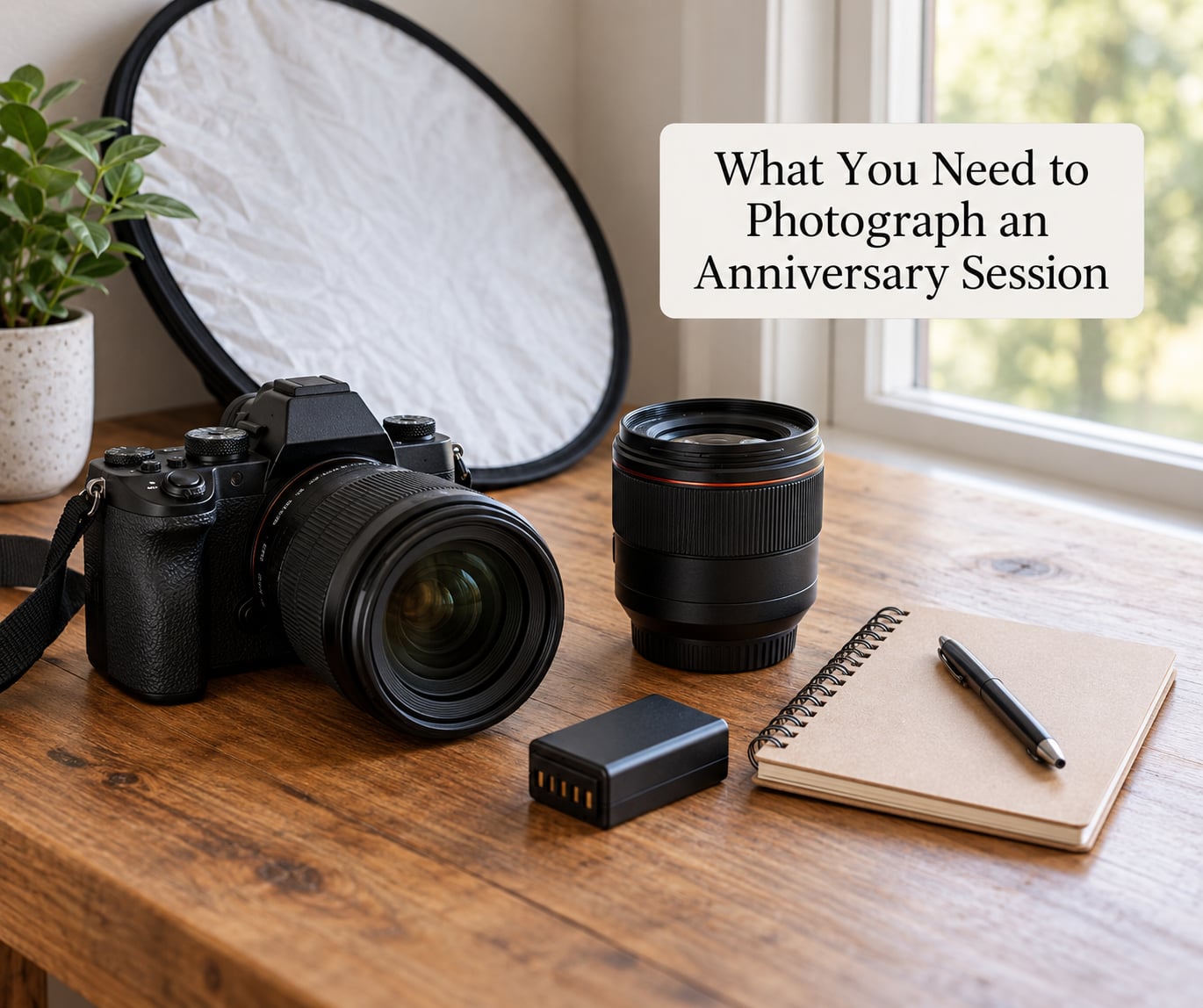
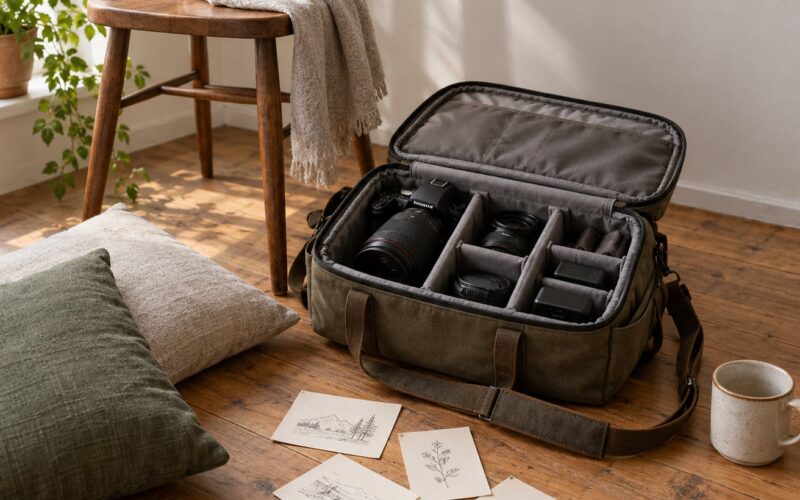
You need less gear than you think, and more preparation than you expect. The list below is what actually earns its place in the bag.
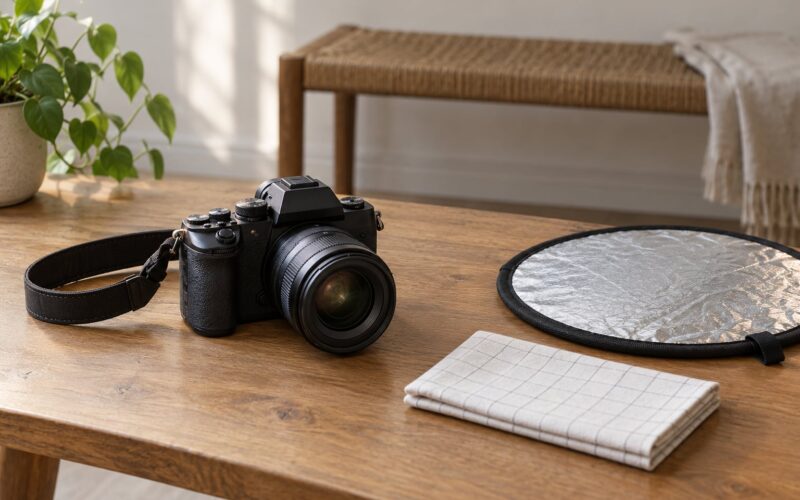
- A camera body you know blind. You will be working fast between prompts, so a familiar menu matters more than a new sensor.
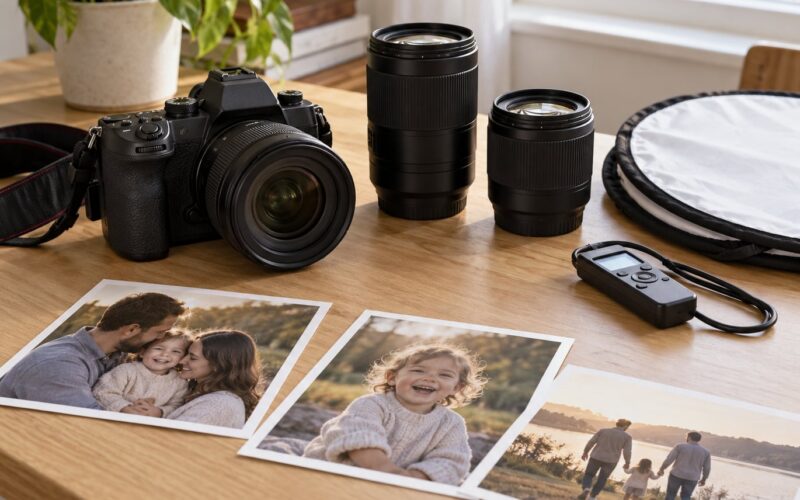
- Two focal lengths. A 35mm or 50mm for environmental portraits that show the location, and a 70-200mm for compressed backgrounds and honest expressions from a working distance.
- A small reflector or white foam board. Fill light for backlit golden hour portraits, and a bounce surface for shade under trees.
- A sun path app. PhotoPills, Sun Surveyor or a similar tool tells you exactly when the sun clears the building or drops behind the tree line at your location.
- Two spare batteries and a card that is not full. A 90-minute session is not the time to troubleshoot.
- A written session brief. The milestone year, the names, the place they met, the outfits, the kids, the dog, the one thing they are nervous about.
- A shot list printed or on your phone. Ten must-get frames, then everything else is a bonus.
Skip the heavy lighting kit for most anniversary work. Natural light portraits in open shade or the last hour of the day will outperform a single strobe setup that fights the location.
Step-by-Step: How to Photograph an Anniversary Session
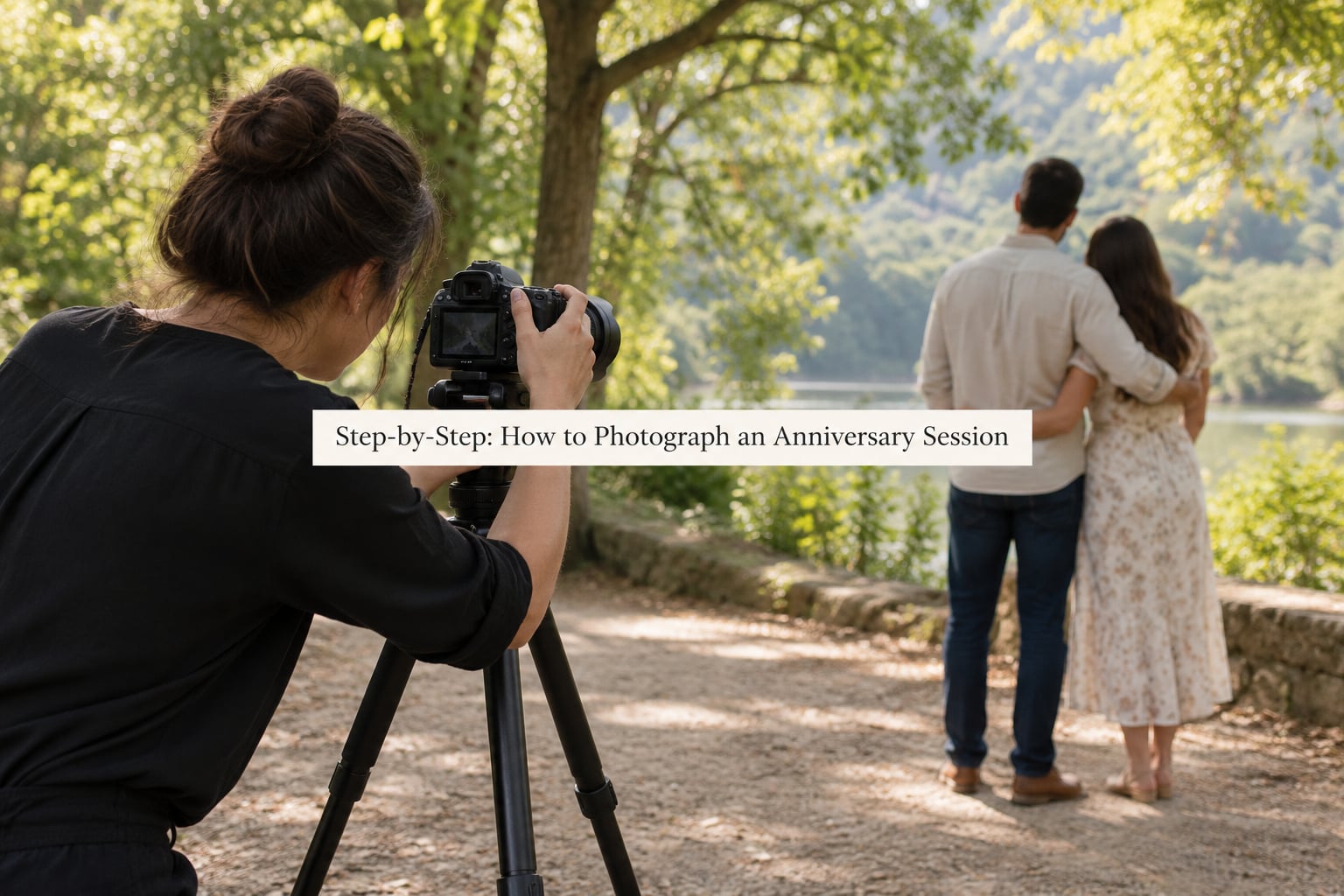
Here is the sequence. Each step tells you what to do and how you know it worked.
Choose the visual story before the session
Ask about the couple’s history, interests, comfort level, and the mood they want, then turn those answers into a focused visual plan. A couple who met at a ballpark and hates formal portraits should not be standing on a bridge looking serious.
Three questions on the planning call do most of the work: what do you want these photos to feel like, what place means something to you, and what makes you tense in front of a camera. Write the answers down. If the couple gives you nothing but a milestone number, pick a mood yourself and name it out loud so they can correct you early rather than quietly endure it.
It worked when you can describe the finished gallery in one sentence before you arrive.
Scout the location and light
Check the background, shade, sun direction, wind, parking access, and how the light changes while you will be there. Most anniversary sessions are shot in a familiar place, so the background is often full of things you cannot move, like parked cars, playground equipment, and a neighbor’s fence.
Arrive 30 minutes early and stand where you plan to shoot. Watch the shadows move. Note the direction the sun sits at the start of the session and at the end, and build your shooting order around that: wide environmental frames first while the light is directional, then move to shade for portraits once the contrast gets harsh.
It worked when your shot list has a home for every frame, and the first twenty minutes do not depend on a light you have not checked.
Start with conversation and warm-up portraits
The first 20 to 30 minutes of an anniversary session are the warm-up. Use them on ordinary movement, not the anniversary poses. Ask them to walk to the end of the path, pick something up, fix each other’s collar. You are not wasting time; you are watching how they move together.
Most camera-shy couples loosen up once they forget the camera is there. I talk through the last few years while they walk, which is also the most useful part of the session for you, because the good story prompts are usually already in their conversation by minute ten.
It worked when they start finishing each other’s sentences mid-sentence. That is the moment to start pulling them closer for real portraits.
Direct the couple with specific, respectful prompts
Give one instruction at a time, in plain language, and never stack three directions into a sentence. “Stand together, turn slightly toward me, put your hands in your pockets” produces a pose. “Walk toward me and stop when I say” produces a photograph.
- For stiffness: put their weight on the back leg, relax the front shoulder, and ask them to look at each other instead of the lens.
- For awkward hands: give them a job, a cup, a jacket, a child, a leash. Hands with nothing to do are the most common problem in a couples gallery.
- For the chin and jaw: ask them to push the chin forward and down a touch, then smile on the exhale rather than on command.
- For distance: ask them to stand close enough that you can see where their shoulders touch, then back up with the telephoto.
It worked when the couple can be still for a full minute without the shot looking like they are waiting for a cue.
Create movement and honest interaction
Movement produces variety, and variety keeps a gallery from looking identical frame after frame. Walking shots, a slow dance with no music, cooking something simple, reading aloud from a letter, or a short walk to a favorite tree will give you ten different looks from the same outfits.
Photographing an anniversary session with actions instead of poses also solves the expression problem. People look relaxed when they are concentrating on something, and you get real faces without asking for a smile.
It worked when you got three or four frames from a single prompt without repeating the instruction. Move on at that point.
Photograph details, family, and the wider story
A complete anniversary story has four layers: the couple alone, the wider environment, the details, and the people around them. Work through all four rather than spending the whole session on portraits.
- Couple frames: the two together in the light, plus a tight crop of hands, rings, or intertwined fingers.
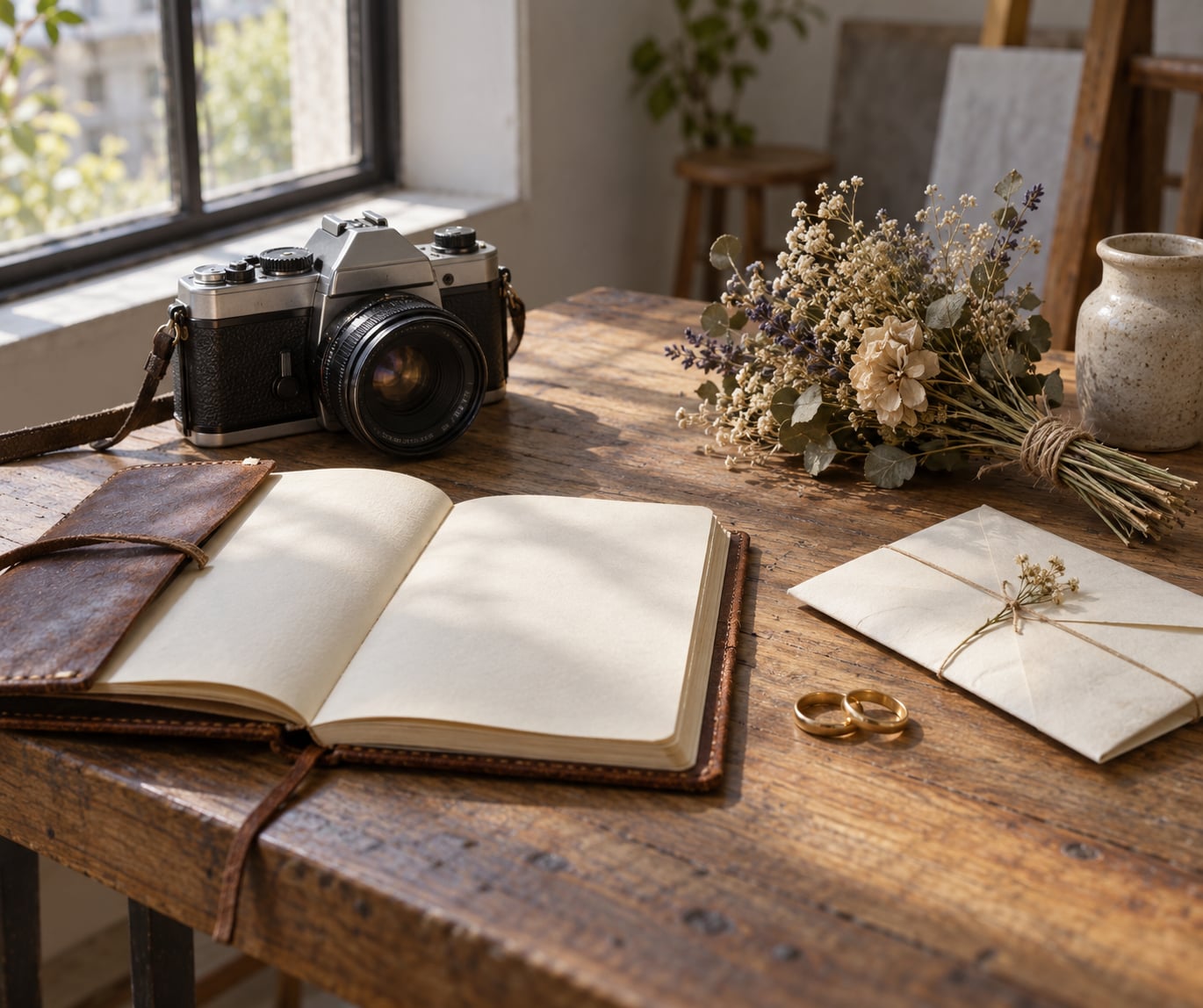
- Details: the rings on a book, shoes left on a path, a bouquet from the wedding day if the family still has one, a letter, a coat carried over one shoulder.
- Environmental portraits: wide frames with the couple small in the landscape, which is where the 35mm earns its place.
- Family: kids and pets, but schedule them for the second half of the session. Shooting the family first costs you the couple-only frames, because children pull focus and shorten everyone’s attention span.
Long marriages need a slower pace. For a 25th or 50th anniversary, plan shorter standing frames, more seated portraits, and a route without stairs or long walks. A cane and a bench are normal equipment at that milestone.
It worked when every must-get frame on your list is checked off before the light is gone.
Review and deliver a consistent final series
Cull hard. In a 90-minute session you may have 1,500 frames, and the final gallery should run somewhere around 200 to 400 images for a session of this size. Look for three things: focus on the eyes, expression, and whether the frame says something.
Edit for consistency across the set so a family album does not look like three different photographers. Match warmth and contrast between the golden hour frames and the open shade frames, and correct skin tones before you apply any look.
Then watch your calendar. An heirloom album print takes weeks from the order, and anniversary dates do not move. If the couple wants a physical book for a milestone, the order needs to go in well before the date, not the week of it. Deliver the gallery first, then set the print deadline in writing.
It worked when the couple can print any three frames from the gallery and they belong in the same story.
Common Mistakes
Treating it as a wedding redo. Couples book anniversary sessions to see who they are now. Recreating the wedding day can work, but only when the couple asks for it and supplies the original files for reference.
Over-directing. Long verbal instructions stiffen people. Give one short action and let it run, and use the warm-up frames as your own check on whether it landed.
Relying on clichés. The forehead-to-forehead pose in a field is a good frame in a gallery of thirty. It is not the whole session. Mix in walking, movement, and the details they brought with them.
Ignoring the light until you arrive. Harsh overhead sun at noon is the most common reason an anniversary gallery looks flat. Scout, or at minimum run a sun path app for the date and pick the time window before you confirm with the couple.
Shooting the kids first. Family frames take energy. Start with the couple while everyone is fresh, then bring the kids and pets in for the last 20 minutes.
Making every frame look the same. If your culled gallery reads as one pose repeated, the session was too directed. Alternate wide, tight, and detail frames throughout, and vary your position rather than your instructions.
Skipping the rain plan. Decide the backup location before the session date, not during the rain. An indoor option, a covered porch, or a reschedule policy written into the contract prevents a bad afternoon for everyone.
Frequently Asked Questions
What makes a good anniversary photoshoot?
A good anniversary photoshoot photographs the couple as they are now rather than replaying the wedding. It works when the location means something to them, the light is soft and directional, the outfit is something they already love wearing, and the direction comes from small actions instead of stiff posing.
How long does an anniversary photo session usually take?
Plan on 60 to 90 minutes of shooting time. The first 20 to 30 minutes are warm-up, when you are getting the couple comfortable and watching how they move. The middle covers the shot list and the couple-only portraits, and the last 20 minutes go to kids, pets, family frames, and details.
What should we wear for an anniversary photo session?
Choose outfits the couple already wears on a good day, fitted but not tight, in colors that work together without matching exactly. Comfortable shoes matter more than anything else on the list. Avoid large logos, busy patterns, and white if you are shooting in open shade, where white skin can pick up green from grass and foliage.
What are some tips for shooting during the golden hour?
Start 60 to 90 minutes before sunset and work with the light rather than against it. Put the couple with the sun behind or beside them for rim light, use a reflector or white board to lift the faces, and expose for the highlights. Take the wide environmental frames first, then move into shade once the light gets too harsh for close portraits.
How do you get a couple to relax when they hate being photographed?
Give them a job instead of a pose. Walking, cooking, reading a letter, or playing with the dog keeps hands busy and takes attention off the camera. Start the session in motion, save the tight portraits for the last third, and keep talking about their history so they stop thinking about the frame count.
How do you plan an anniversary session if it rains?
Decide before the session date. Have a covered backup location, a nearby indoor option, and a reschedule policy in writing, and tell the couple which one applies. Small rain is often workable under trees or a wide umbrella, but heavy rain on a windy day is not, and moving the date protects both sides.
Conclusion
Start with the conversation. Learn the couple’s story, choose one strong location and one light plan, then build the session around small actions and the ten frames you cannot leave without.
Everything else, the settings, the movement prompts, the warm-up, is there to protect that plan.