Most photographers find a mentor faster than they expect, and the reason is almost never talent or connections. It is preparation. Knowing how to find a photography mentor who actually helps comes down to three things: one specific portrait goal you can state in a sentence, three finished images that show exactly where you’re stuck, and a short first message that makes it easy for a working photographer to say yes. This guide walks through all six steps, starting with what to gather before you contact anyone.
It takes a few weeks of outreach rather than months of waiting, and you do not need a famous name or an existing network to begin. Most people who struggle with this get stuck on the asking, not the finding.
What You Need
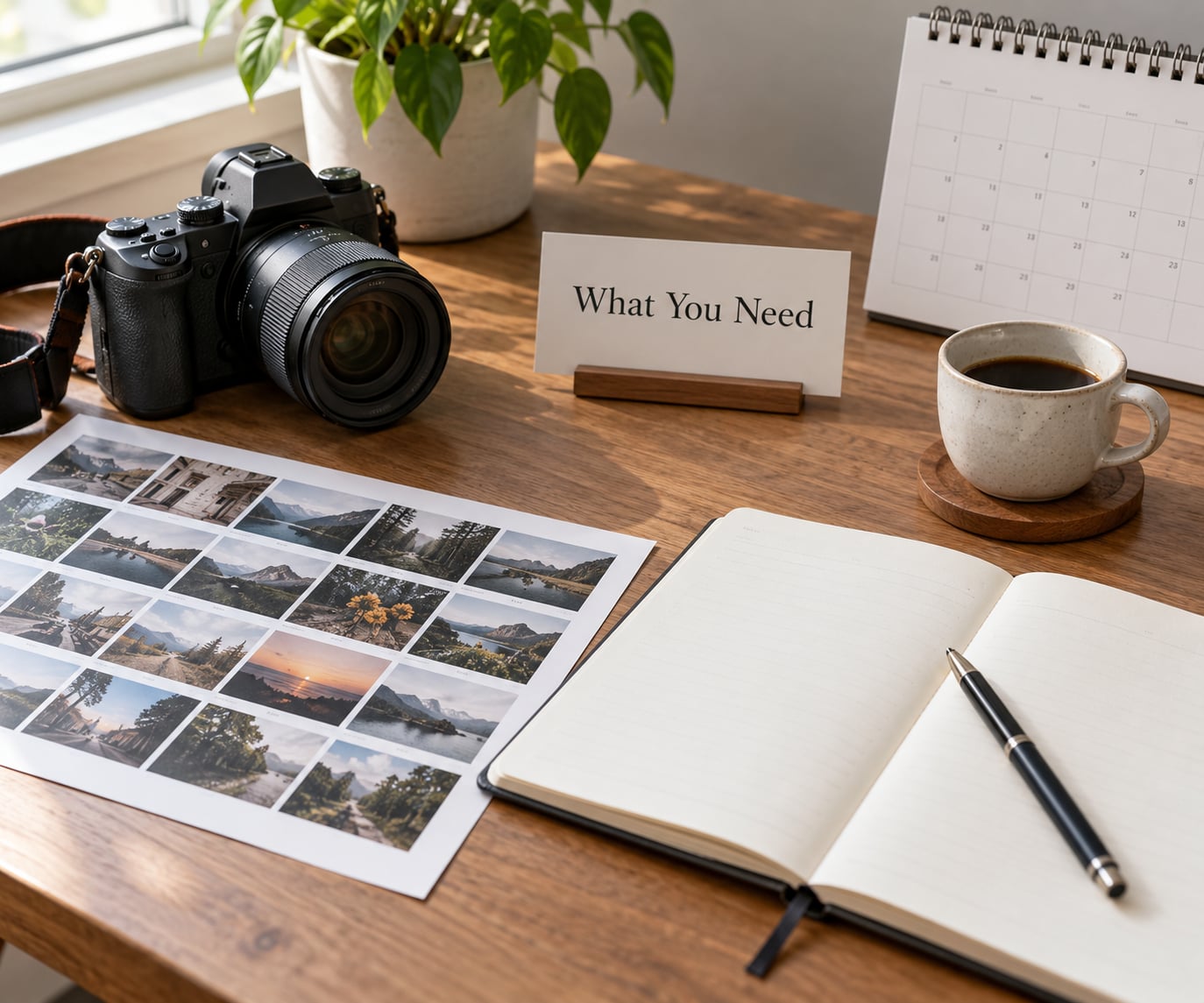
Gather these five things before you send a single message. A mentor who gets a clear brief can help you in one session what a vague one wastes five meetings discovering.
- One specific portrait goal. Not “help me get better at photography.” Try “my portraits feel flat and I want to learn one-light setups so I can shoot a family session in an ordinary living room.”
- An honest read on your current level. Know what you can already do reliably, and name the two or three things that break down. Mentors give you far more when you can say “my exposure is fine, my direction isn’t.”
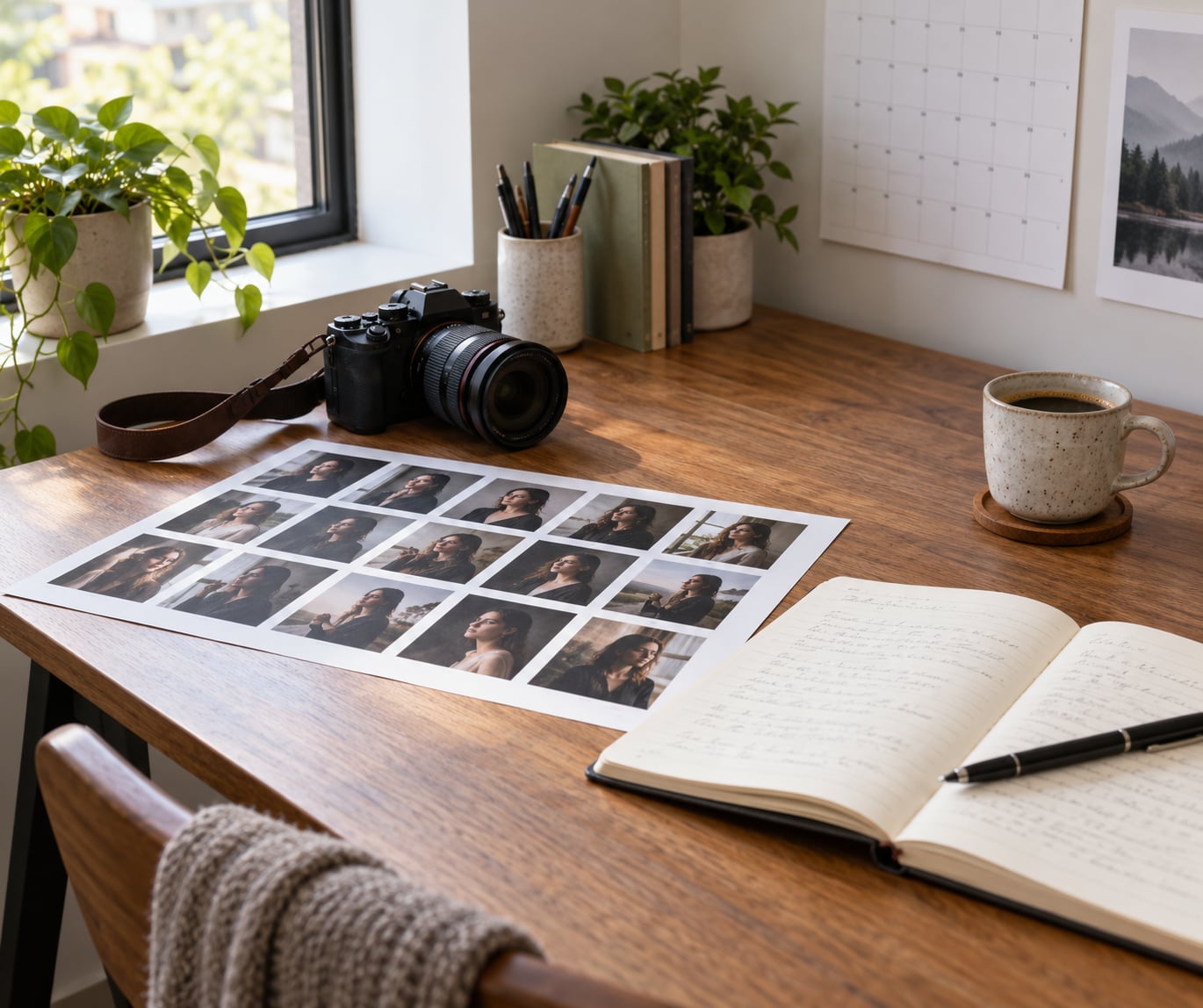
- Three finished images, not a full gallery. A small, coherent set beats forty folders of everything you have shot. Include at least one frame you think is strong so they can see what you are aiming at.
- A short list of qualities you need. Portrait lighting, posing, business and pricing, or editing workflow. Genre plus subject matter narrows the field faster than anything else.
- A realistic schedule. Decide how many hours a week you can genuinely put between sessions. A monthly rhythm you keep beats a weekly one you abandon by spring.
Add one more thing if you can: something to trade. Offering to second-shoot, handle a gallery edit, or organize an archive is the most common non-paid route people actually use.
Step-by-Step: How to Find a Photography Mentor
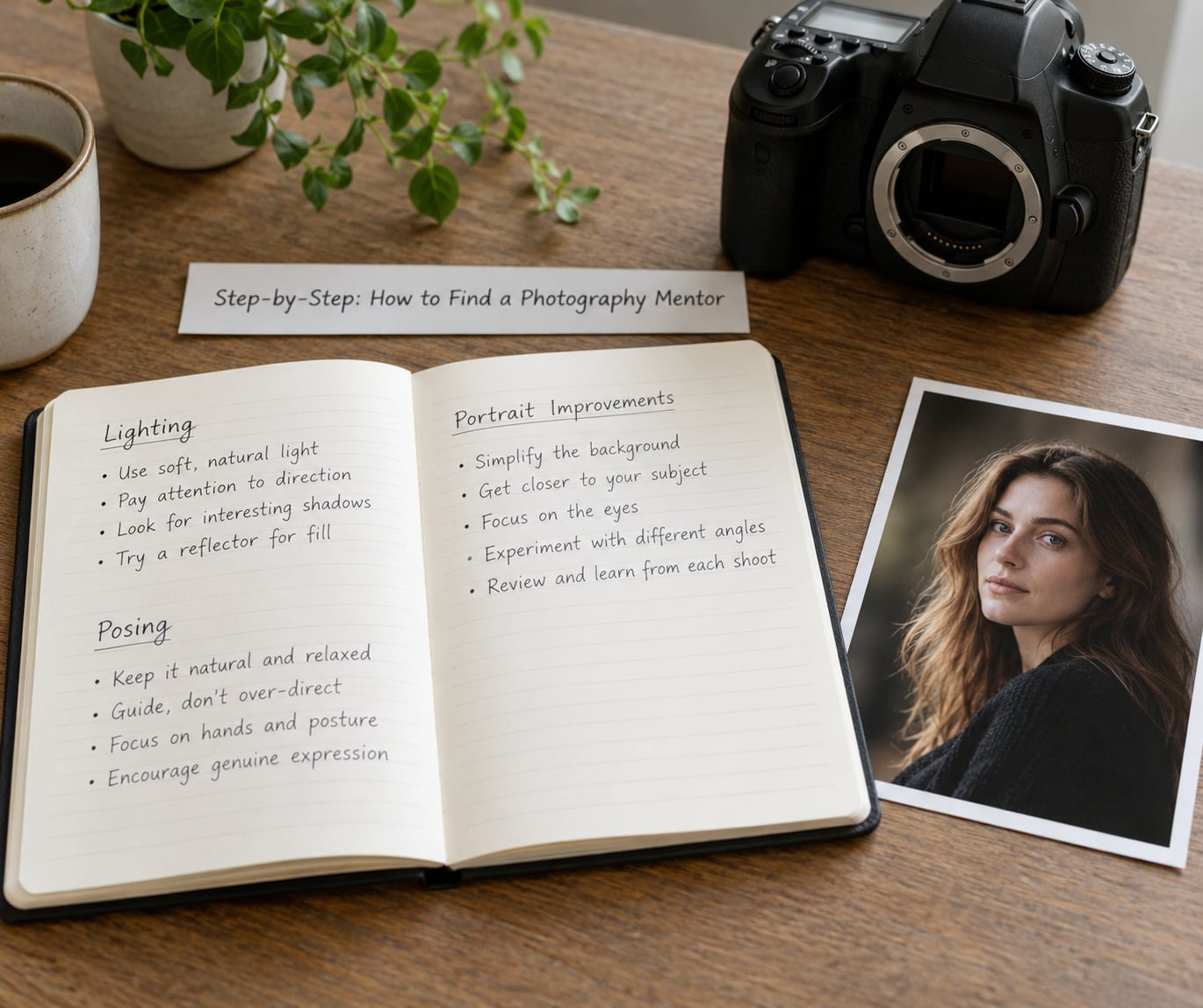
1. Define the kind of feedback you need
Start by naming the one outcome that would make this worth your time. Portrait sessions that don’t look like your reference work. Posing that feels stiff. A portfolio that survives a hiring manager’s thirty-second glance. Pricing that covers the hours you actually spend.
These are different jobs, and photographers specialise in one or two of them. A wedding shooter with fifteen years of galleries may have nothing useful to say about headshot lighting, and a studio portrait photographer may never have priced a wedding. Write your goal on one line, then read it back to yourself. If you would not know whether a session succeeded, it is still too vague.
2. Look for photographers with relevant experience
Search where the work actually lives rather than where the followers live. Local camera clubs and portrait groups put you in a room with working photographers who are usually flattered to be asked. Workshops and community photo classes are even better: organizers often ask explicitly for volunteers who are willing to give feedback, which removes the awkwardness of a cold approach entirely.
Professional associations and online communities are next. Shootouts, critique threads and structured feedback platforms give you a low-risk way to watch how someone talks about images before you commit an hour of their time. Mutual referrals through other shooters are the most underrated route: one introduction from a working photographer is worth twenty cold messages.
If you have no network at all, start where the photographers are, not where you want to be introduced. Show up to a club meeting, post three images in a critique thread, and be useful to someone else first. People mentor photographers they have already seen paying attention.
Judge proof of work over popularity. A photographer with two hundred images in the exact genre you care about is a better mentor than a well-known name shooting something else entirely.
3. Check their teaching and communication style
You can test this before any conversation. Read how they explain things in captions, interviews and forum replies. Look for specific observations rather than enthusiasm, and for respect for different creative goals.
Watch for a particular kind of rigidity: a mentor who insists everyone shoot one look, one colour palette, one system forever will make your work smaller. You want someone who can work at your level, explain the reasoning behind a suggestion, and push back when you are wrong without taking over.
A short trial conversation does more than a long email exchange. Ask one specific question about your work and see what comes back. Specific, respectful, and connected to your stated goal means you are in the right place. Silence, or a sales pitch for their workshop, means you are not.
4. Prepare a thoughtful introduction: how to find a photography mentor who says yes
Keep it short and put the burden of understanding on you, not on them. Five parts work every time: who you are and how long you have been shooting, the single goal you are working on, what you admire about their work specifically, a link to your three images, and a small, concrete request.
State how you found their contact details. Forum members treat this as basic etiquette, and it costs you one clause while removing the suspicion that you scraped an address off a list.
Ask for a short introductory conversation rather than an open-ended commitment. Fifteen minutes with three questions is easy to say yes to and easy to decline, which is exactly why it works. Mention what you can offer if money is not on the table: second-shooting, editing help, or organizing a shoot’s gallery afterwards.
5. Agree on goals and boundaries
Before the first session, settle the practical terms in writing, even if the writing is six bullet points in an email. Confirm how often you meet, how long each session runs, whether sessions are in person or on a call, and what happens if one needs to move.
Then settle the things people skip and regret. Clarify any fee or expense arrangement, including travel and printing costs if you meet in person. State who owns the images, whether you may share them, and whether feedback is confidential. Write down what the mentor will and will not cover, so nobody assumes marketing advice is on the invoice when you asked about lighting.
Set an end point too. Three months, six sessions, or one finished portfolio is enough to judge whether it is working. A mentorship with no defined shape tends to fade out through mutual politeness.
6. Test the fit with a small project
Start with one assignment or a single review session rather than a long retainer. A good trial is a specific brief: one portrait assignment you shoot, or one edit you want honest feedback on, agreed before you meet.
Afterwards, ask yourself four questions. Was the feedback specific enough to act on, or was it encouragement dressed up as critique? Was it respectful? Was it connected to the goal you stated at the start? And did you do the work it asked for, or did it slide away unopened?
If three of those four are yes, continue. If feedback keeps arriving as vague praise, or sessions keep getting rescheduled, raise it once directly and clearly. Mentors who can handle that conversation are the ones worth keeping.
Common Mistakes
- Choosing by reputation alone. A famous photographer shooting a different genre is a worse mentor than a lesser-known one shooting yours. Fix: filter by genre and subject first, name second.
- Asking vague questions. “How can I improve?” produces a polite answer. Fix: bring one image and one precise question.
- Expecting unlimited free help. Working photographers already spend unpaid hours on their own craft. Fix: offer a trade, pay a modest fee, or accept a no gracefully.
- Ignoring payment and image-usage terms. Ambiguity here causes real arguments later. Fix: put fees, ownership and confidentiality in writing at the start.
- Resisting disagreement. If you leave every session defending your choices, you paid for a conversation you refused to have. Fix: try the mentor’s suggestion before you argue it.
- Not practising between sessions. Feedback without reps changes nothing. Fix: leave every session with one assignment and a date.
- Quitting without a conversation. Ghosting wastes a relationship you may want in two years. Fix: say plainly what did not work and thank them for the time.
Frequently Asked Questions
Should I pay for photography mentoring?
Pay when you want scheduled, structured feedback over weeks or months. It buys consistency and a reserved slot, which is the part you cannot get from a forum. You do not need to pay for every kind of help: club meetings, community classes and critique threads are free, and many photographers will trade time for second-shooting or editing help. Decide whether you need accountability or just a second opinion, then pay only for the first.
Can an online photography mentor work as well as a local one?
Yes, for craft and business feedback. Screen sharing makes it easy to walk through an edit or a contact sheet live, and the cost of travel disappears, which widens your options beyond your city. In person still wins for lighting and posing, because the mentor can stand behind the camera and adjust your hands on the camera rather than describe it. Many people start online and meet once or twice during a session.
Do I need a portfolio before I contact a mentor?
No, but three finished images help a lot. A mentor can give you something to react to far more usefully than a promise to improve. Send a small, coherent set with at least one frame you think is strong and one you are unsure about, and say what you want help with. If you have nothing finished yet, shoot one assignment this week and come back. An honest beginner set gets kinder feedback than an empty folder.
Does a photography mentor need formal qualifications?
No. Community consensus among working photographers is that anyone with real, current experience in your genre and the temperament to give specific feedback is qualified. A working portrait photographer who shoots every week will teach you more about directing people than most instructors with certificates. What matters is a visible body of work, recent activity, and a track record of helpfulness, not a diploma or a job title.
How often should I meet with my photography mentor?
Once every two to four weeks works for most people, with monthly sessions enough for business and portfolio questions and fortnightly sessions better for craft changes. Whatever cadence you agree on, protect the time between meetings for practice, because that is where the improvement happens. If you find yourself cancelling repeatedly, the problem is the schedule rather than the mentor, so move to monthly instead of drifting away.
When should I change photography mentors?
Change when three things line up: the feedback stays vague after two sessions, the mentor keeps steering you toward their own services, or you are not doing the practice they ask for. Talk to them first, plainly and kindly, since a direct conversation fixes more mismatches than a quiet exit. Stay when the advice is specific, respectful, and matched to the goal you agreed on, even if it is uncomfortable in the moment.
Conclusion
Here is the whole method in one move. Choose one portrait goal and write it in a single sentence. Finish three images that show the problem. Identify two or three photographers working in that exact genre, and send each one a short message with your goal, your three images, how you found them, and a request for fifteen minutes. That is the first real step in how to find a photography mentor, and it takes an evening rather than a year.
Updated for October 2026.